
• 20th Asian Games
    Aichi - Nagoya 2026

    JAPAN SPORTS JOURNEY

IMAGINE ONE ASIA

20th Asian Games
Aichi - Nagoya 2026

The Asian Games are the largest sporting competition in Asia.
This competition is the ultimate stage where top athletes from throughout Asia gather to display their abilities.
This year’s setting of Aichi-Nagoya, an area with strong ties to Asia, is home to world-class industrial prowess and is a place where sports thrive on professional, corporate, and student levels.

By bringing the region together and giving its athletes a platform to perform to the best of their abilities, the Asian Games bring benefits that transcend sport itself, such as sports promotion and encouraging international exchange, which will lead to further growth for Japan and Asia as a whole.

Let’s enjoy this moment together.
From Japan to Asia, in 2026 and beyond.
Event Dates
2026.09.19-10.04
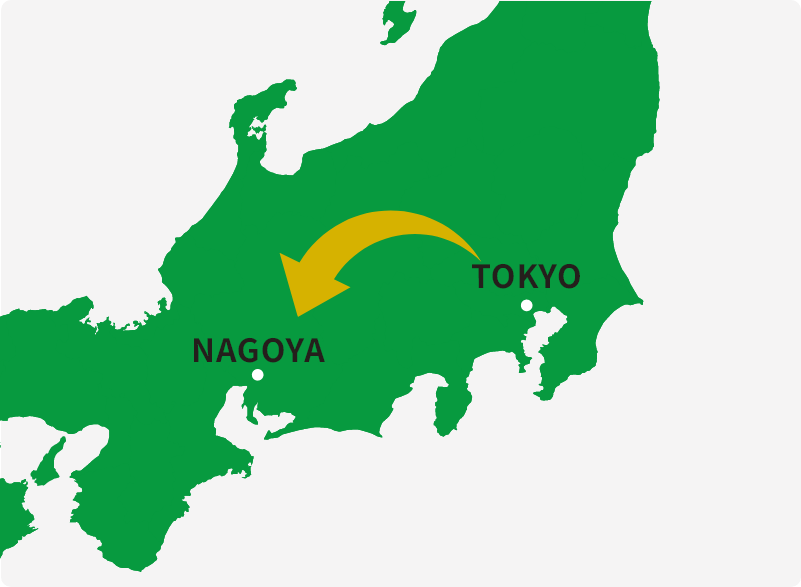
Event venues:Aichi and other areas (swimming, diving, and equestrian events will be held in Tokyo)

ACCESS

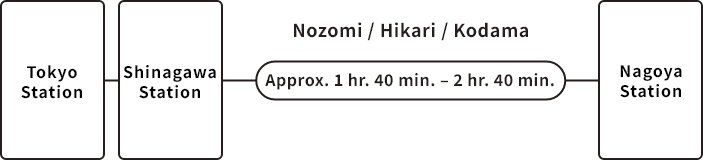
By Tokaido Shinkansen

JR Central (https://global.jr-central.co.jp/en/)

By Plane

Haneda Airport (https://tokyo-haneda.com/en/)

Chubu Centrair International Airport (https://www.centrair.jp/en/)

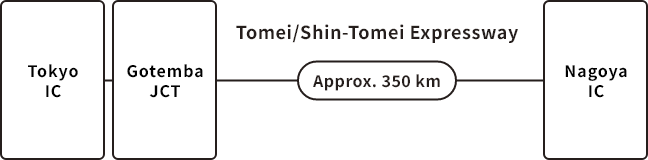
By Car

NEXCO CENTRAL (https://www.c-nexco.co.jp/en/)

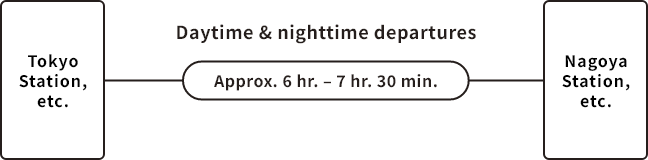
By Express Bus

※Boarding and arrival points vary by bus company.

VISIT TOKYO

Tokyo Sightseeing Guide

Tokyo is a city where you can experience both Japan’s rich traditions and the latest trends. Whether it’s your first time or you’ve been here before, we’ve picked out some classic Tokyo spots you’re sure to love. Enjoy exploring the distinct features and highlights of each neighborhood, and make unforgettable memories in Tokyo.
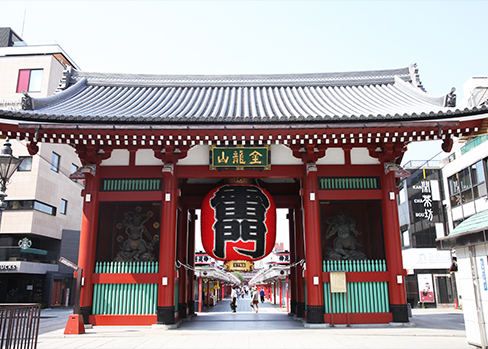
  • Asakusa

    Photo provided by: Senso-ji
    A top sightseeing spot
    to experience the atmosphere of old Edo

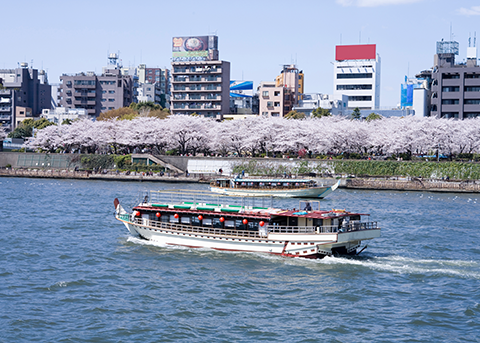
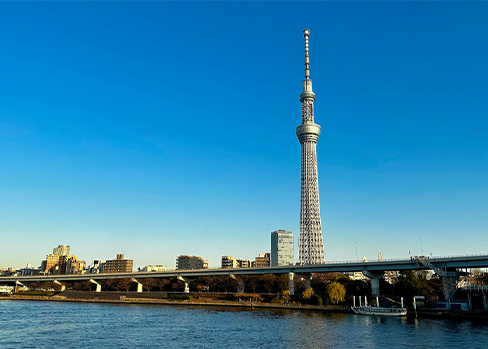
    Asakusa is one of the most popular destinations among tourists for its strong connection to Edo-period culture and tradition. Its most iconic landmark is the Kaminari-mon Gate, famous for its massive red lantern. Passing through the gate brings you to Nakamise Shopping Street, a bustling lane filled with shops offering traditional souvenirs and Japanese sweets. At the end of the street stands Senso-ji, Tokyo’s oldest temple, which attracts worshippers and tourists from both Japan and abroad. You can also take a leisurely stroll along the riverside promenade by the Sumida River or enjoy a cruise on a yakatabune, a traditional Japanese houseboat. Within walking distance from Asakusa is the 634-meter-high TOKYO SKYTREE®. Don’t miss the chance to take in panoramic views of the city from its observation decks.
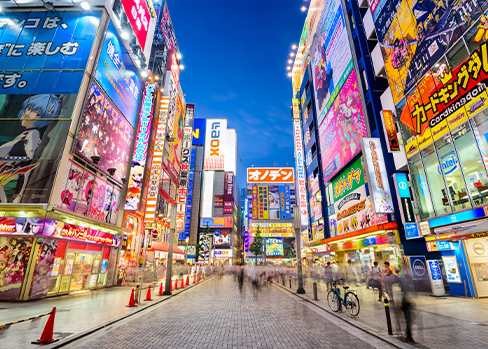
  • Akihabara

    A city where pop culture and
    tradition go hand in hand
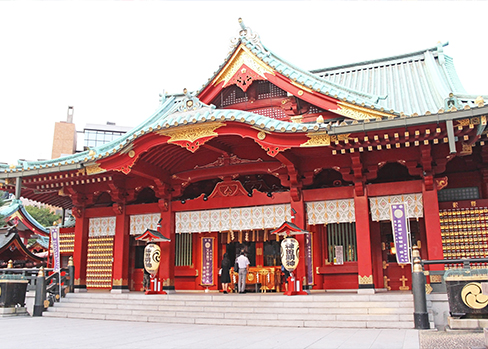
    Once known as Tokyo’s “Electric Town,” Akihabara has evolved into a global hub for anime, gaming, and idol culture. The streets are lined with specialty shops selling figures and character merchandise, maid cafés, and massive electronics retailers, offering a full immersion into Japanese pop culture. Just a short walk away is Kanda Myojin Shrine, with a history of over 1,300 years. The shrine hosts collaborative events with anime, allowing visitors to enjoy a unique blend of traditional and modern culture. A little farther on foot, you can also head over to Ueno Park. The park is home to popular attractions such as Ueno Zoo and the Tokyo National Museum, making it a great place to enjoy both nature and art.
  • Ginza

    A refined district
    for shopping, dining, and cultural experiences
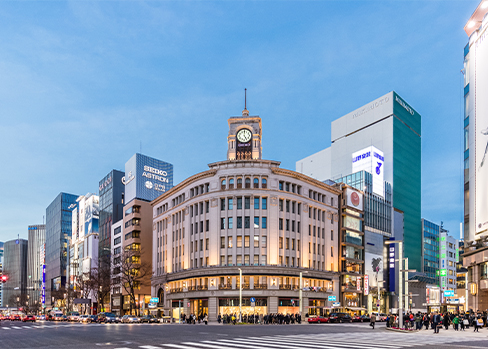
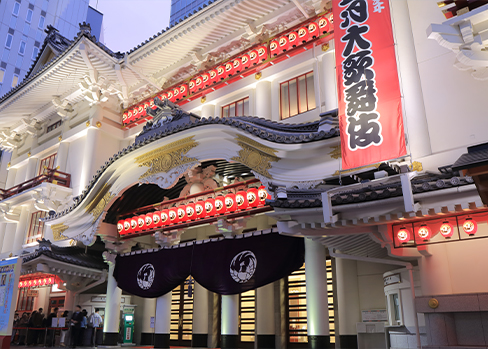
    Ginza is one of Tokyo’s most iconic upscale districts, drawing visitors from all over the world. For those interested in Japan’s traditional performing arts, a visit to the Kabukiza Theatre is a must. Here, you can enjoy authentic kabuki performances and appreciate the elegance of Japan’s classical stage art. Within walking distance is the Tsukiji Outer Market, where you can savor fresh seafood and traditional Japanese dishes while experiencing the lively atmosphere of local food culture. Just a short walk away, you’ll also find Hama-rikyu Gardens, an oasis of greenery that makes you forget you’re still in the heart of the city. Surrounded by seasonal flowers and beautiful Japanese landscaping, you can unwind at a teahouse nestled within the garden.
  • Shinjuku

    © Tokyo Convention&Visitors Bureau
    The heart of Tokyo
    where the latest entertainment awaits day and night
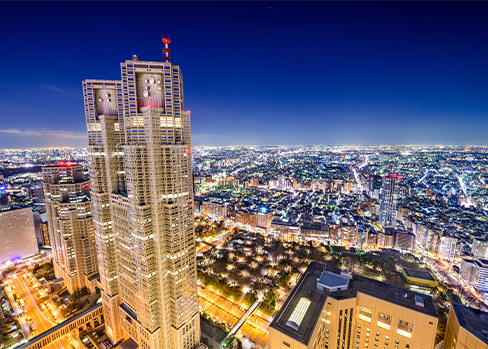
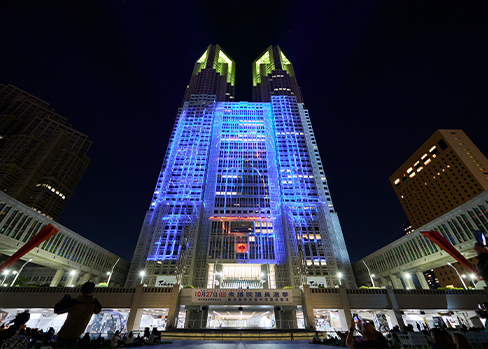
    Shinjuku is one of Tokyo’s most energetic and dynamic neighborhoods, known for diverse and exciting districts, and it continues to attract visitors from around the world. In the skyscraper-filled neighborhood of Nishi-shinjuku, the Tokyo Metropolitan Government No.1 Building stands as a defining landmark. Its observation decks, located 202 meters above ground, are open to the public free of charge and offer sweeping views over the city. On clear days, you might even catch a glimpse of Mt. Fuji. At night, the building is sometimes illuminated with projection mapping shows that combine cutting-edge technology with vibrant light displays. Around the east exit of Shinjuku Station, you’ll find neon-lit Kabukicho and the unique charm of Shinjuku Golden Gai, each offering a unique taste of Tokyo’s colorful nightlife.
  • Odaiba

    © Tokyo Convention&Visitors Bureau
    A waterfront area
    filled with fun attractions
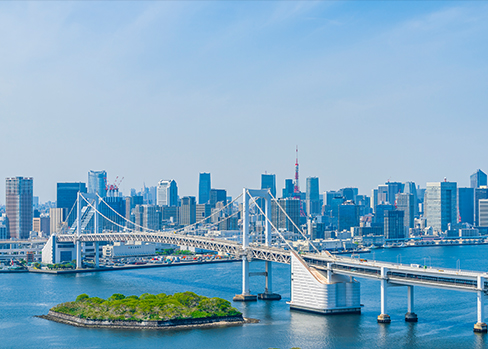
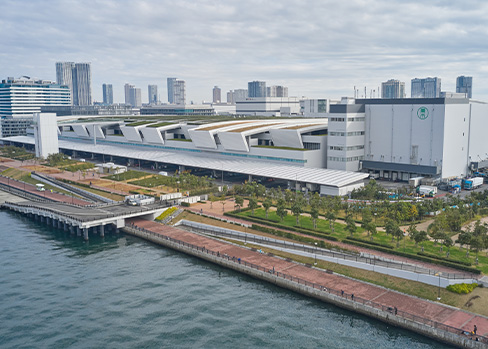
    Facing Tokyo Bay, the waterfront area that includes Odaiba, Toyosu, and Ariake showcases the modern side of Tokyo. Odaiba is packed with photogenic spots like shopping malls and the giant Gundam statue, making it a great destination for families and couples. You can enjoy stunning views at any time, from the glittering ocean in the day to the city lights reflecting across the water at sunset. In Ariake, which hosted several events during the Tokyo 2020 Olympic and Paralympic Games, you’ll find venues that still host sports events, some of which you can even take part in or experience firsthand. Meanwhile, in Toyosu, you can immerse yourself in Japanese food culture by sampling ultra-fresh seafood and sushi at Toyosu Fish Market.

Tokyo’s food culture saw rapid development during the Edo period, and many of its dishes continue to satisfy locals and visitors today. Here, we introduce some of Tokyo’s all-time favorite dishes that you can casually enjoy in the city’s traditional downtown neighborhoods. From iconic Japanese dishes to popular traditional sweets, dive into the nostalgic vibes and flavors of good old Edo.
  • Sushi

    Fresh seafood meets expert craftsmanship:
    Tokyo’s signature dish from the Edo period

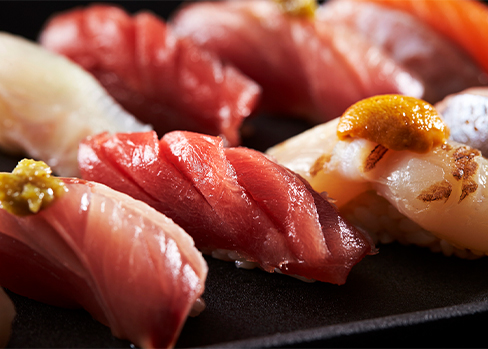
    Sushi is perhaps the most recognizable symbol of Japanese cuisine around the world. Its roots can be traced back to narezushi, a fermented dish from Southeast Asia. During the Edo period, sushi evolved into its modern form, using vinegared rice paired with fresh seafood from Tokyo Bay, giving rise to what’s now known as Edomae sushi. One of the key features of Edomae sushi is the special preparation techniques used by skilled chefs, such as simmering, curing, or marinating ingredients like kohada (gizzard shad) or anago (sea eel). At Tsukiji Outer Market, which used to be Tokyo’s main fish market, you’ll find a wide variety of sushi restaurants where you can enjoy high-quality seasonal ingredients in a casual setting.
  • Fukagawa-meshi

    A local Edo-style rice dish
    packed with the rich flavor of clams
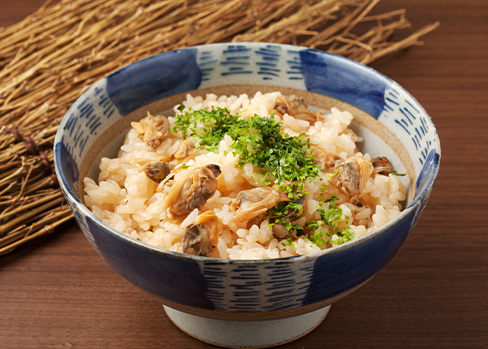
    Fukagawa-meshi is a local specialty that originated in the Fukagawa area of Tokyo’s Koto Ward. Back in the Edo period, this area near the mouth of the Sumida River was rich in clams, and fishermen came up with this quick and nourishing dish to fuel their work. There are two main versions of Fukagawa-meshi: one where clams are simmered in miso and poured over rice (bukkake style), and another where the clams are cooked together with the rice (takikomi style). You can enjoy it at long-established eateries and traditional Japanese restaurants around Monzen-nakacho and Kiyosumi-shirakawa. As a dish that reflects the daily life and culture of Edo, it’s definitely worth trying during your visit to Tokyo.
  • Ningyo-yaki

    A nostalgic Japanese sweet
    with different shapes and flavors at each shop
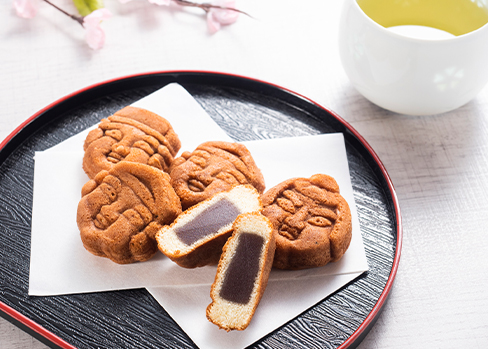
    Ningyo-yaki is an old-school Japanese snack that locals have loved for generations, especially in areas like Asakusa and Ningyocho. These small, baked treats are shaped like dolls or lucky charms, and though their origins are debated, they are said to have first appeared in the late Edo period. Made from a batter of flour, eggs, sugar, and honey, ningyo-yaki are poured into metal molds, often filled with sweet red bean paste, and then baked until golden on the outside and soft and moist on the inside. In areas like Ningyocho, you’ll find long-established shops like Shigemori Eishindo, famous for its adorable Seven Lucky Gods designs, while in Asakusa, Kimuraya Honten creates versions using molds inspired by local icons. Each store has its own twist, making it fun to sample and compare.
  • Chanko Nabe

    A sumo-sized hot pot
    served in the home of Japan’s national sport
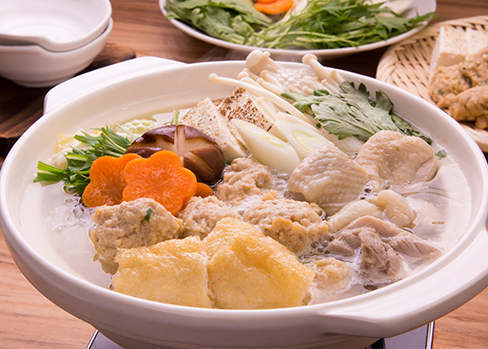
    When it comes to food associated with Japan’s national sport of sumo, chanko nabe is the go-to dish. Traditionally eaten by sumo wrestlers after training to restore their energy, this hearty hot pot is typically made by simmering a variety of ingredients such as chicken, fish, tofu, vegetables, and mushrooms in a flavorful broth. There’s no fixed recipe, and seasonings can vary widely, from soy sauce and miso to salt or even kimchi-style flavors. One reason chicken is often used instead of beef or pork is its symbolism: chickens stand on two legs, which is considered lucky in sumo, symbolizing that you won’t fall down, as falling means defeat. The Ryogoku area, home to the Ryogoku Kokugikan arena, is filled with chanko nabe specialty restaurants, offering you the chance to experience sumo culture through food.
  • Monja (Monjayaki)

    A downtown comfort food
    known for its simple flavors and unique way of eating
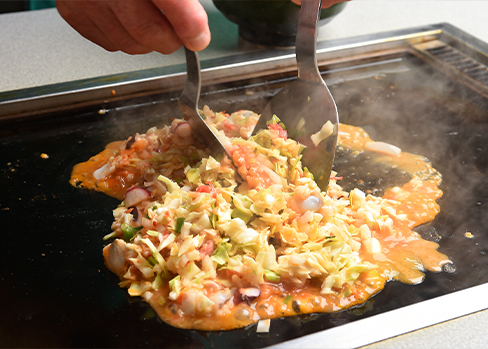
    Monjayaki is a beloved comfort food of Tokyo’s downtown neighborhoods, loved by locals and tourists alike. It starts with stir-frying shredded cabbage and your choice of toppings such as tempura bits, seafood, or mentaiko (spicy cod roe) on a hot griddle. A thin batter made from flour and dashi is then poured over, and once it thickens, you eat it directly from the grill, scraping it up little by little with a small metal spatula. Tsukishima is known as Tokyo’s monja hotspot, home to the famous Tsukishima Monja Street lined with specialty restaurants. It’s the perfect place to enjoy monja while taking in the nostalgic atmosphere of Tokyo’s traditional downtown area.

VISIT NAGOYA

Nagoya Sightseeing Guide

Aichi is a place where history and culture thrive, and is packed with attractions such as Nagoya Castle, the symbol of Nagoya, the sacred Atsuta Jingu, and the bustling Osu shopping district. Just a short trip from Nagoya is Inuyama Castle, home to the oldest existing castle keep in Japan, and Tokoname, famous for its “Manekineko” lucky cat statues. There is a diverse array of attractions to enjoy, from strolling through the streets to exploring the history of the area.
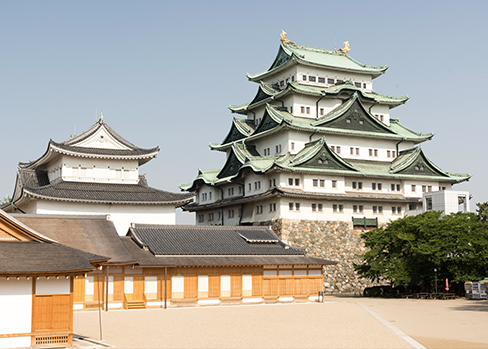
  • Nagoya Castle

    Photo provided by: Nagoya Castle General Information Office
    A Symbol of Nagoya that Embodies the History and Dignity of the City

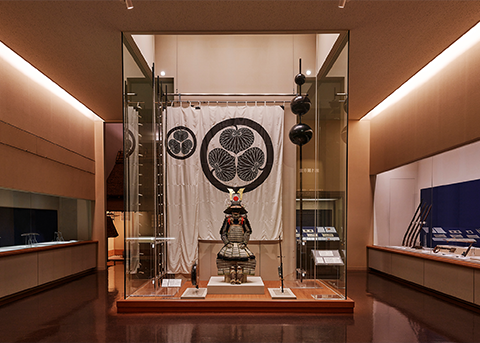
    One absolute must-see spot when visiting Nagoya is Nagoya Castle, which was built by Tokugawa Ieyasu as his base for unifying Japan. The golden dragon-like creatures, called Shachihoko, that adorn the roof of the castle keep and the magnificent Honmaru Palace convey the authority of the Tokugawa shogunate to this day, attracting many visitors. Within the castle grounds are exhibits and events that allow visitors to experience the feudal era’s warrior culture in a hands-on way. Meijo Park, which surrounds the castle, is also a wonderful place for a leisurely stroll or picnic. While taking in the history of the area, you can also enjoy the changing scenery of the seasons, such as the cherry blossoms in the spring and the colorful fall foliage. Right next door is Kinshachi Yokocho, home to restaurants offering signature Nagoya cuisine including Miso-katsu, Hitsumabushi, and Tenmusu, making this place one that will satisfy both your sightseeing interest and appetite.

    Address: 1-1 Honmaru, Naka-ku, Nagoya-shi, Aichi
    https://www.nagoyajo.city.nagoya.jp/en/
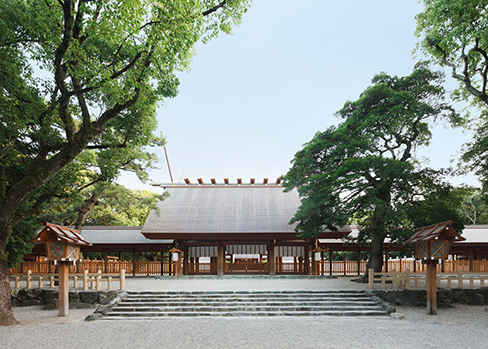
  • Atsuta Jingu

    A Place of Prayer that Watches Over the City and its People, Where One of Japan’s Three Sacred Treasures is Enshrined

    Atsuta Jingu is a sacred place that enshrines the Kusanagi no Mitsurugi, one of the Three Sacred Treasures from Japanese mythology, as its divine object, and draws worshippers from throughout Japan. This famous shrine boasts a history of more than 1,900 years and has long been revered under the name “Atsuta-san”. This historic shrine has many interesting things to see, and attracts approximately 7 million visitors a year. Its expansive grounds cover around 190,000 square meters and are filled with lush greenery, with the approach to the shrine adorned with the colors of nature throughout the four seasons. There are also ancient burial mounds and historical structures to be found throughout, making it a great spot for a leisurely stroll. Soothe your heart with tranquility at this special place rich with the faith, nature, and culture of Japan.

    Address: 1-1-1 Jingu, Atsuta-ku, Nagoya-shi, Aichi
    https://www.atsutajingu.or.jp/en/intro/
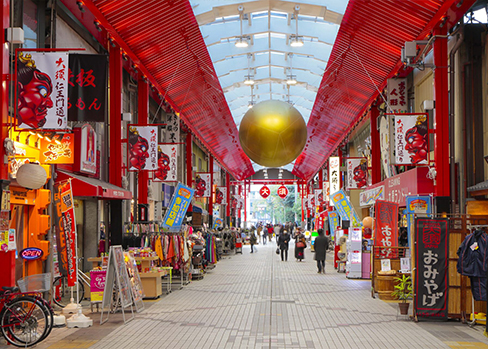
  • Osu Shopping District

    A Vibrant District in Nagoya Famous for Its Lively Mix of Diverse Cultures

    One particularly bustling and popular area in Nagoya is Osu Shopping District. Home to approximately 1,200 shops in genres including the latest subculture, secondhand clothing, electronics, and restaurants, the mix of varied cultures is one of the area’s most appealing qualities. It is a popular destination for people of all ages, genders, and nationalities, making it one of the liveliest spots in Nagoya. The Symbol of Osu Shopping District is Osu Kannon Temple, which has a history that stretches back more than 400 years. One of Nagoya’s most famous temples, it is said to offer blessings for warding off evil and granting academic success, and is well-known for its bean-throwing ceremony and treasure ship procession held on Setsubun in February every year. It is also where traditional events are held, such as the twice-monthly antique market.

    Address: 2 & 3 chome, Osu, Naka-ku, Nagoya-shi, Aichi
    https://osu.nagoya/ja/
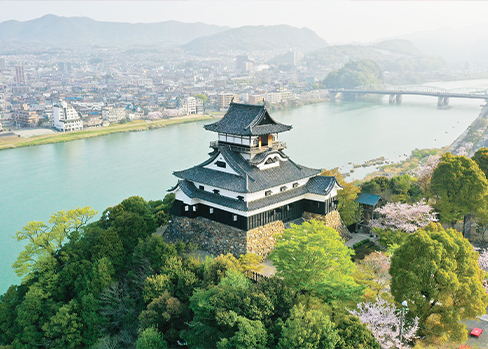
  • Inuyama Castle

    A National Treasure Castle and the Surrounding Town that Combine History and Charm

    Inuyama Castle is a rare and renowned castle, boasting the oldest existing castle keep in Japan, and has been designated as a National Treasure. The castle was first established in 1537 during the Muromachi period. It is known for having been seized by Oda Nobunaga, Toyotomi Hideyoshi, and Tokugawa Ieyasu as they each sought to rule Japan during their respective eras. The castle keep stands tall on a small hill along the Kiso River, offering panoramic views of the river and distant mountains, allowing you an opportunity to take in the changing beauty of the seasons. The town that surrounds the castle still retains its Edo-period layout to this day, and the streets are lined with historical buildings from eras of Japan ranging from Showa to Edo. Activities such as strolling through the streets while wearing a kimono and taking a tour by rickshaw are gaining popularity here as well.

    Address: 65-2 Inuyama Kitakoken, Inuyama-shi, Aichi
    https://inuyamajo.jp/
  • Tokoname

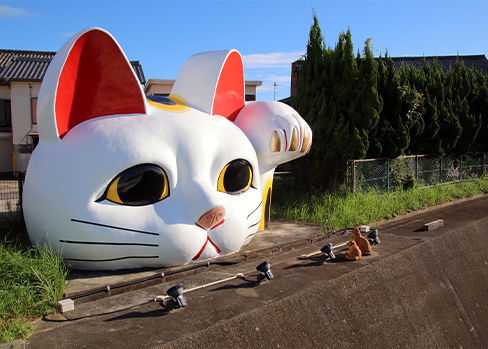
    Take in the Pleasant Port Town Atmosphere with a Leisure Stroll through the Town of Lucky Cats

    The “Manekineko” is a cat-shaped charm that is said to bring good fortune. The city of Tokoname is known for being a major production area of these charms. Manekineko statues made in Tokoname are characterized by their large ears and eyes, golden claws that firmly grasp a large coin, and round shape with an equally sized head and body. Manekineko of all sizes can be seen welcoming visitors throughout the city. The historic townscape, with its cobblestone roads and old townhouses, has a powerful atmosphere that you can feel as you walk through it, as well as plenty of great photo spots. The Pottery Footpath, lined with the retro buildings and chimneys of a pottery village, is sure to be a highlight of your stroll. From the seaside scenery to the port town appeal, Tokoname is a great place for walking around as you look for your favorite Manekineko or café to stop at for a break.

    Address: Tokoname-shi, Aichi

Aichi, where the warlords of Japan’s Sengoku period flourished, has also developed an original food culture born out of ingenuity and resourcefulness. Take a deep dive into the unique flavors of Aichi, from dishes made with rich Hatcho miso to hearty Nagoya cuisine.
  • Tenmusu

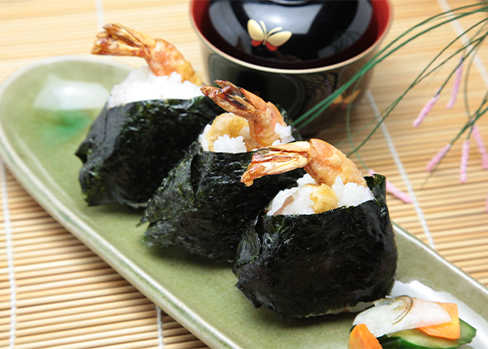
    Savor Tempura and Rice in One Bite With this Nagoya Specialty Rice Ball

    One of the local specialties of Nagoya is known as “Tenmusu”. Tenmusu is a bite-sized rice ball with shrimp tempura inside and wrapped in nori seaweed. They’re delicious even when chilled, and have been a staple of bento box lunches while also proving popular as souvenirs. Tenmusu was first devised in the late 1950s. The proprietress of a tempura restaurant in Tsu City, Mie Prefecture, tried making rice balls with shrimp tempura on the inside, with the idea that her busy husband could eat them easily. They turned out to be even tastier than she had imagined, and they became the restaurant’s signature item. Its popularity then spread throughout Nagoya, eventually earning a place as a leading example of Nagoya cuisine. Each shop prepares them with their own unique seasonings and shapes, so finding your favorite adds to the fun.
  • Misokatsu

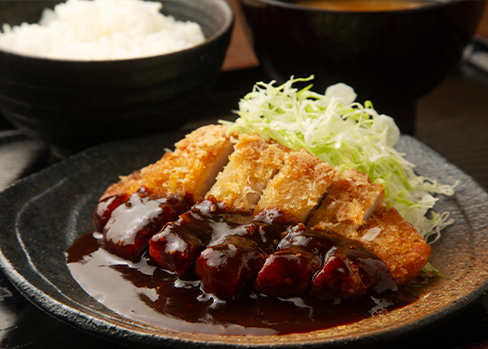
    Freshly Fried Pork Cutlet Perfectly Paired with Miso Sauce
    While Japanese-style “Tonkatsu” pork cutlet is typically eaten with tonkatsu sauce, using miso sauce is the norm in Nagoya. The sauce used on Nagoya-style Miso-katsu is made by simmering Hatcho miso with mirin, sugar, and dashi broth, resulting in a sauce with a rich flavor. Freshly fried pork cutlet topped with this rich and savory miso-based sauce pairs exceptionally well with rice. While pairing it with rice on the side is the standard way to eat it, another popular version puts the pork on top of a bowl of rice to make a hearty “Miso-katsu Rice Bowl”. You can enjoy various styles of preparation from restaurant to restaurant, such as adding generous helpings or cabbage or topping it with a soft-boiled egg.
  • Hitsumabushi

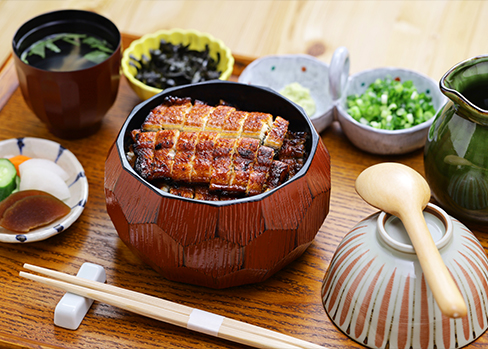
    A Grilled Eel Dish Created in Nagoya That You Can Enjoy Three Different Ways
    Hitsumabushi is one of Nagoya’s most famous local dishes. Its name comes from the wooden box (“hitsu”) that it is served in, and the act of mixing up (“mabushi”) the eel and rice before you eat it. This signature dish features eel that is fragrantly grilled with a rich, sweet, and salty sauce, then finely chopped and served on rice. What makes it really stand out is that you can enjoy it in three different ways by adding seasoning and broth. For the first serving, have the eel and rice together just like that. Then add extra flavors such as green onions or wasabi to your second helping and enjoy the rich aroma and flavor. The third time around, add some dashi broth and make ochazuke out of it. Finish off the rest in whatever way you like, and you’re sure to be satisfied!
  • Miso Nikomi Udon Noodles

    A Rich, Piping-hot Udon Dish That Warms Both Body and Soul
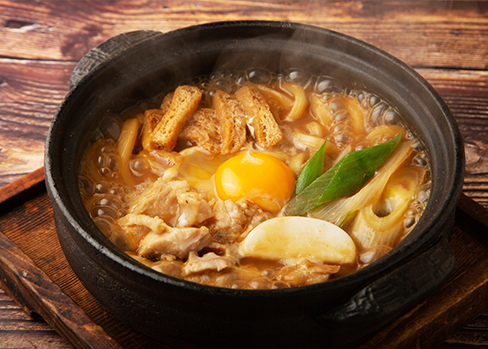
    Nagoya’s trademark noodle dish is a stewed dish known as Miso Nikomi Udon. Served piping-hot in a clay pot, these noodles have a firm texture and are simmered in a rich, deep broth that has the distinct reddish color and deep flavor of Hatcho miso, a type of miso made from soybeans. The Hatcho miso used in this region becomes more and more flavorful the longer it is simmered, and when sweetened with mirin and sugar and blended with dashi broth, the resulting soup has an incredibly rich flavor. To further complement the flavorful soup and chewy noodles, each restaurant adds their own toppings, such as egg or shrimp tempura, oysters, and mushrooms.
  • Nagoya Breakfast

    Nagoya’s Signature Breakfast With Unbeatable Service
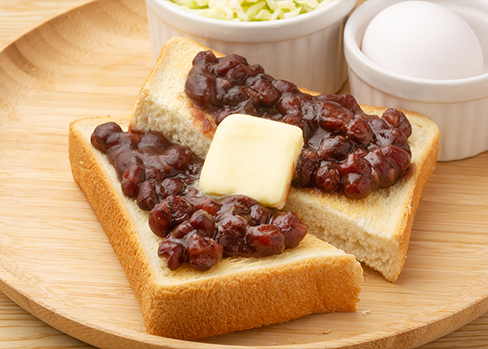
    The Nagoya-style breakfast popular even among tourists is commonly known as the “Morning Set”, which includes toast, boiled eggs, salad, and more, all of which come at a low price or even free with an order of coffee. This morning-only service is offered mainly at coffee shops, and is an aspect of Aichi’s food culture that is said to have originated in the city of Ichinomiya. Each shop has their own unique breakfast menu, but one classic offering is Ogura Toast, which is bread topped with sweet red bean paste. The saltiness of the butter and the sweetness of the bean paste can be enjoyed in the same bite, making it particularly popular with international visitors. With each shop offering their own take on the “Morning Set”, be sure to try the different breakfast menus at various establishments in the area.

TOKYO & NAGOYA
TOURIST ROUTES

Recommended Tokyo & Nagoya Tourist Routes

Information about recommended sightseeing routes in Tokyo and Nagoya, categorized by theme.

SNAPSHOTS

Video

Watch videos that show the charms of the areas near the event venues.

MORE SNAPSHOTS

EXPLORE

Event & Sightseeing Information

Discover information on international competitions being held in Japan,
as well as information about spots and activities where you can enjoy sports.
Enjoy a variety of sports with these helpful tips.