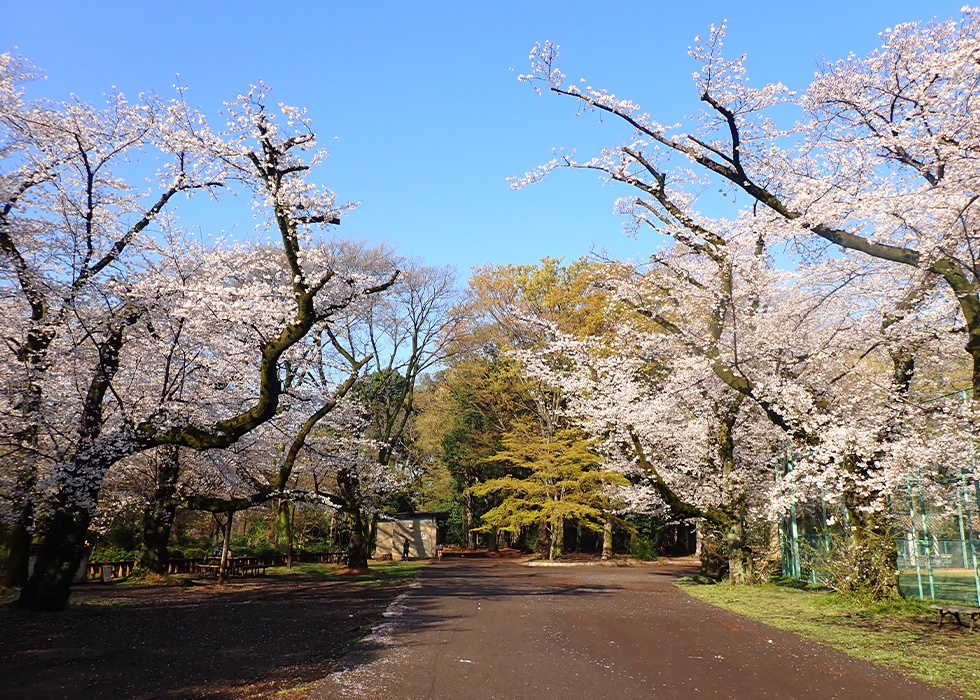
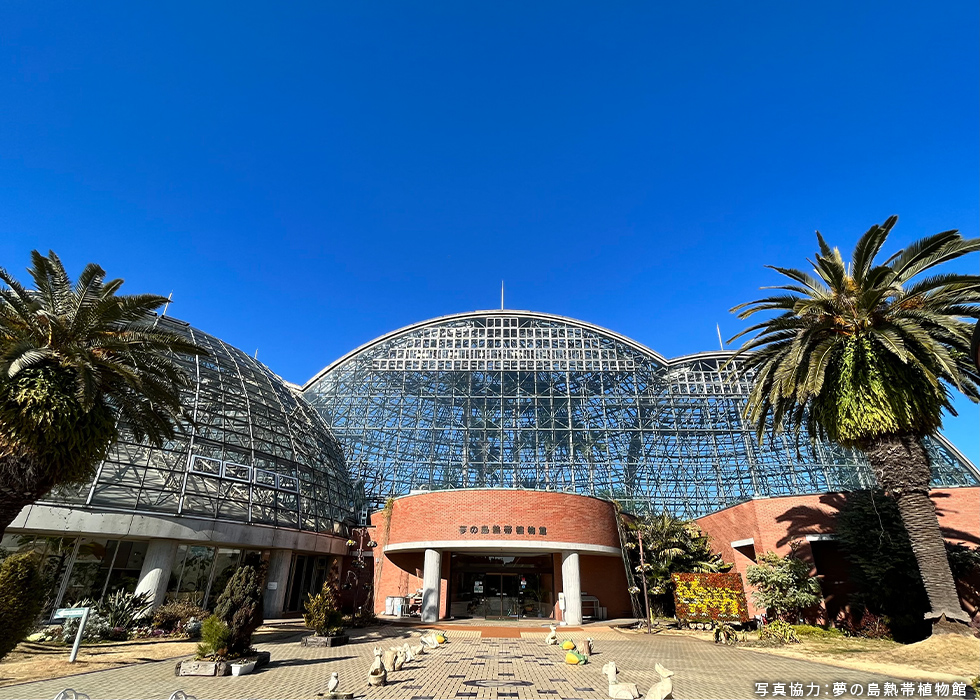
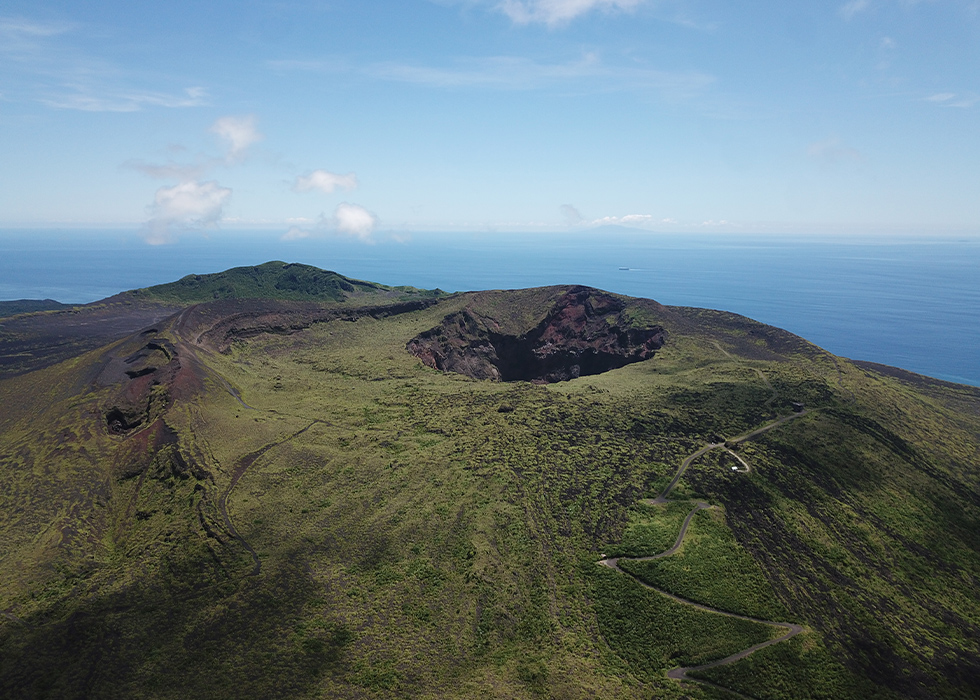
Sumida and Koto wards are home to downtown areas where the atmosphere of Edo, old Tokyo, and the modern atmosphere blend seamlessly. Walking through this area, where tradition and modernity coexist, you're sure to experience a warmth and depth of culture that's different from the busy tourist spots. Meet with Hokusai's art, experience life in the Edo period, be inspired by contemporary art, be soothed by the history of ancient shrines, and take a relaxing bath in a public sento bathhouse. Why not take a stroll through the charms of this downtown area, filled with art and relaxation?
Start from Ryogoku Station on the Toei Oedo Line ➡ 9-minute walk ➡ The Sumida Hokusai Museum ➡ 26-minute walk ➡ Koto City Fukagawa Edo Museum ➡ 10-minute walk ➡ Museum of Contemporary Art Tokyo ➡ 18-minute walk ➡ Tomioka Hachimangu Shrine ➡ 14-minute walk ➡ Tatsumiyu public bath
The Sumida Hokusai Museum
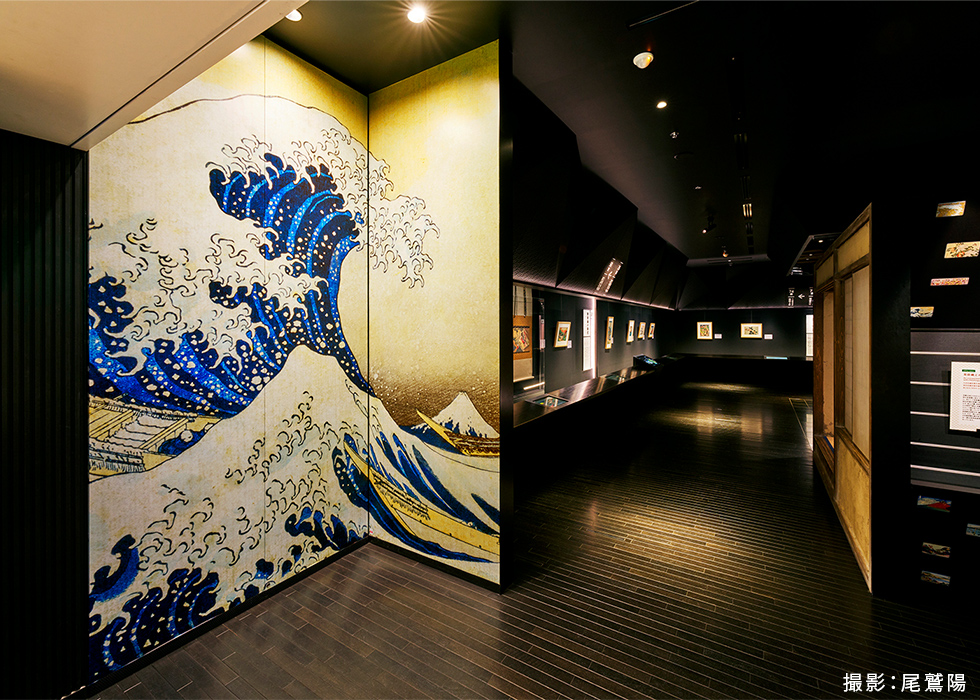
The Sumida Hokusai Museum is located Sumida Ward, where the world-famous ukiyo-e artist Hokusai Katsushika was born and spent most of his life. Through a variety of works and related materials, including his masterpiece the series “Thirty-six Views of Mount Fuji,” visitors can learn about Hokusai’s diverse artistic career and the background of his creations. In the “Education Room—Discover Hokusai—,” visitors can explore his works through full-scale high-definition replicas and interactive touch-panel displays. Original works are showcased in specially curated exhibitions held about four times a year, giving visitors the chance to appreciate Hokusai’s artistry from a variety of perspectives throughout the year. Another highlight is the modern building designed by renowned Japanese architect Kazuyo Sejima.
Address: 2-7-2 Kamezawa, Sumida-ku, Tokyo
https://hokusai-museum.jp/?lang=en


Koto City Fukagawa Edo Museum
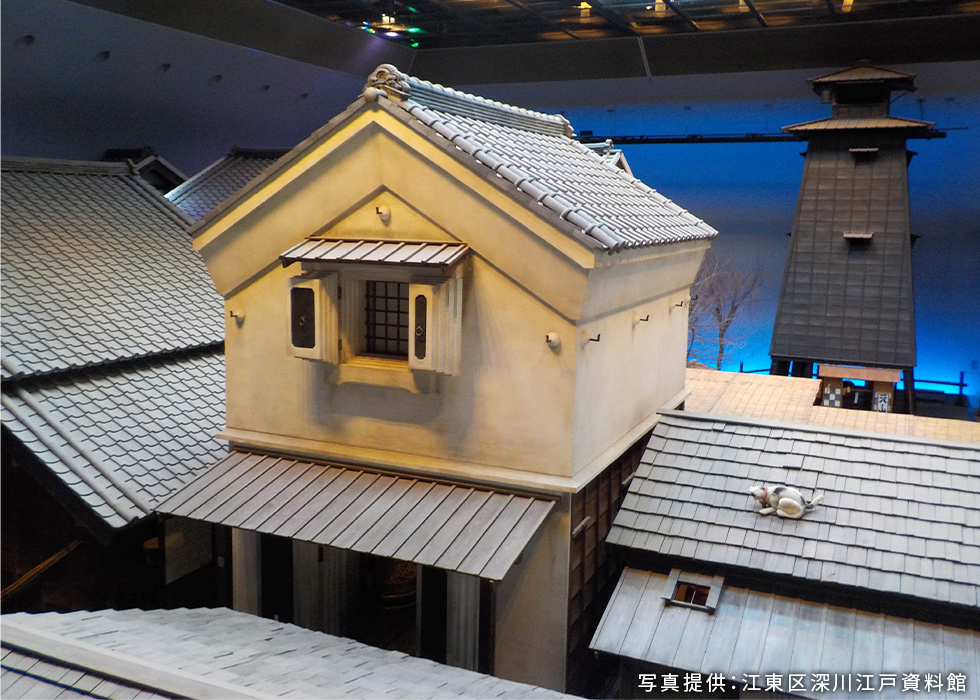
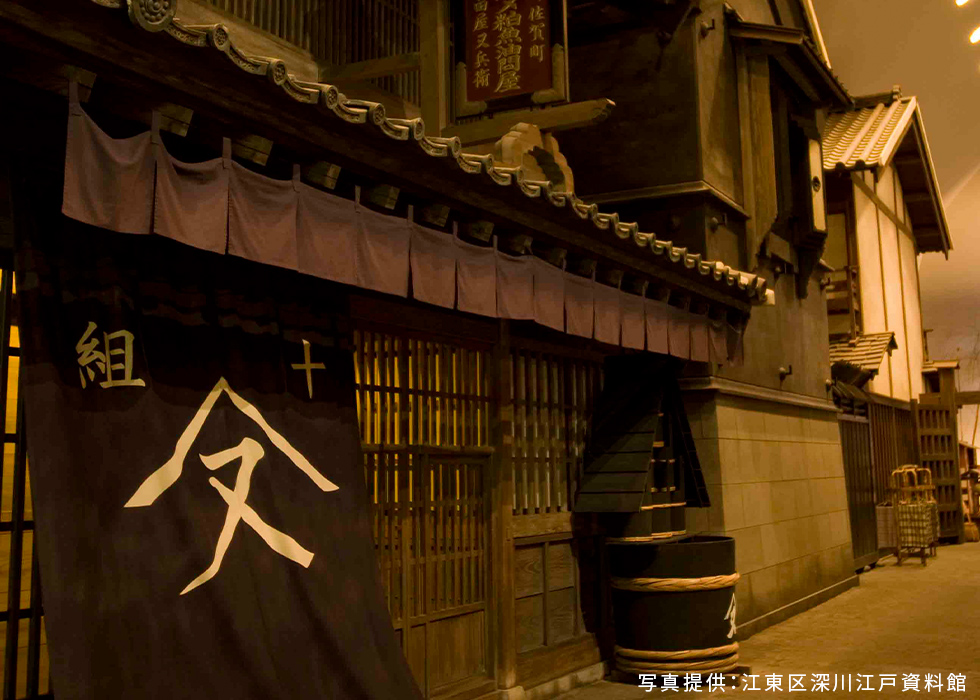
Travel south through the historic downtown areas of Ryogoku, Morishita, and Shirakawa, and head to the Koto City Fukagawa Edo Museum, reflecting on the town and era in which Edo ukiyo-e artist Hokusai lived. A life-size reproduction of the Fukagawa Sagacho streetscape from the late Edo period (circa 1840) is featured, allowing visitors to experience what life was like for ordinary people at that time, almost as if they had traveled back in time. Visitors can actually enter the boathouses, shops, and row houses where people lived, and are able to touch everyday items. The museum also features immersive exhibits that recreate the rhythms of daily life using sound and lighting effects. Volunteer guides in English are available, making it a great place for international tourists.
Address: 1-3-28 Shirakawa, Koto-ku, Tokyo
https://www.kcf.or.jp/fukagawa/


Museum of Contemporary Art Tokyo
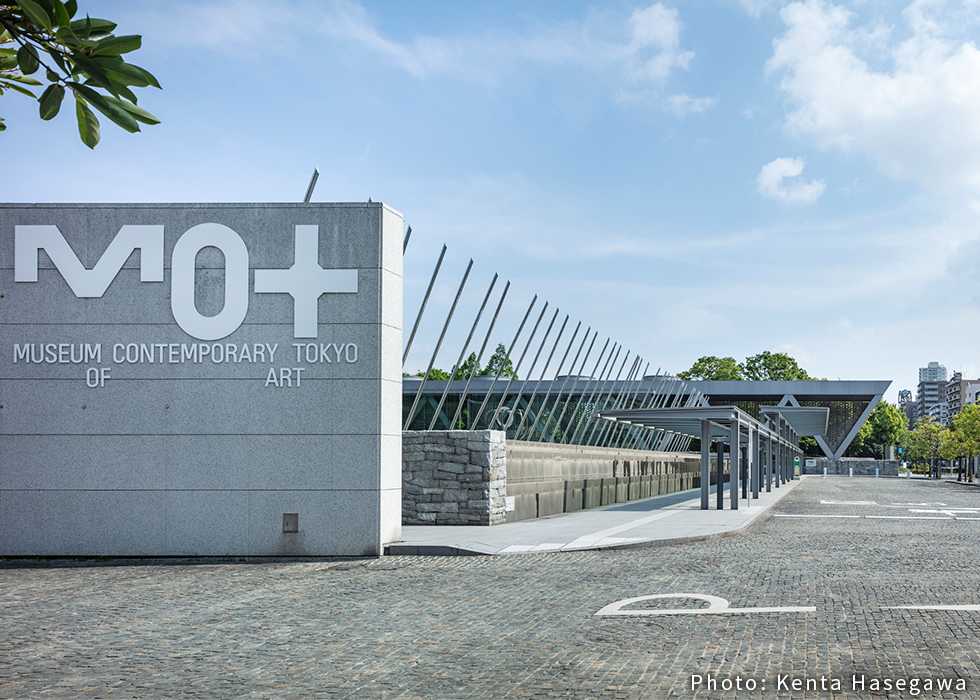
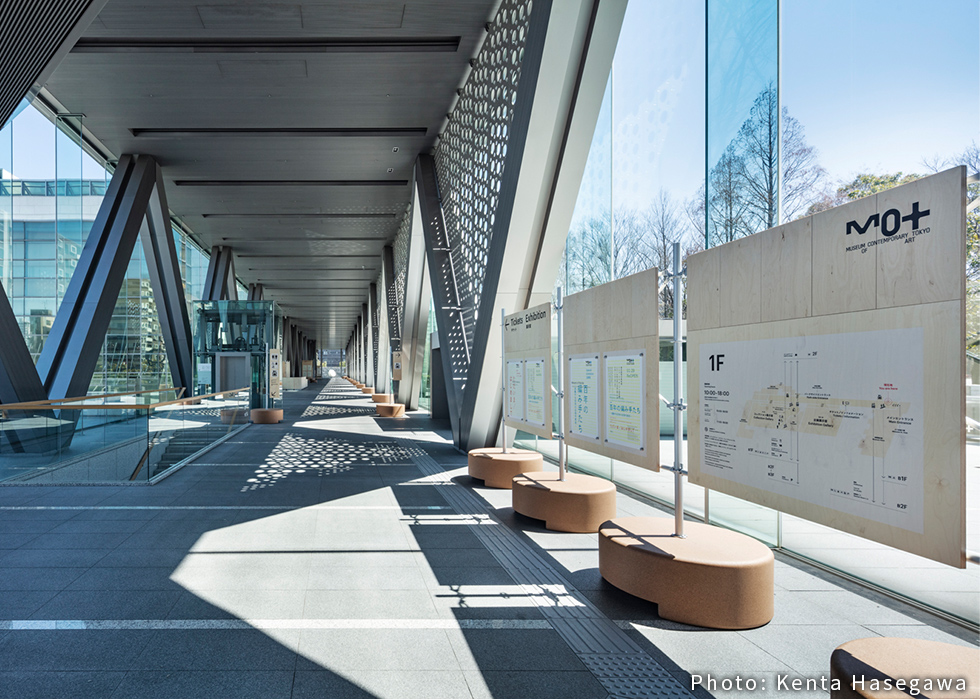
After experiencing Edo culture, enjoy some time immersing yourself in contemporary art. The Museum of Contemporary Art Tokyo is one of Japan’s largest contemporary art hubs, showcasing works from a wide range of fields, including painting, video, design, and fashion, from modern masters to up-and-coming artists. The museum’s collection exhibitions introduce works—primarily post-war Japanese art—according to unique themes that change with each exhibition period. In addition to appreciating the artworks, there is also a wealth of experiential content, including events and workshops. With a lounge and cafe that make the most of their unique space, just visiting this art spot will stimulate your senses.
Address: 4-1-1 Miyoshi, Koto-ku, Tokyo
https://www.mot-art-museum.jp/en/


Tomioka Hachimangu Shrine


Located in the Fukagawa area, where the atmosphere of the Edo period remains strong, Tomioka Hachimangu Shrine boasts a history of approximately 400 years. Locals affectionately refer to it as “Fukagawa’s Hachiman,” and it continues to attract worshippers just as it did in the past. The Fukagawa Hachiman Festival, held every August, is one of Edo’s three major festivals and attracts large crowds. The shrine is also known as the birthplace of Edo Kanjin Sumo wrestling, the predecessor of modern-day professional sumo wrestling, and the grounds are home to numerous stone monuments related to professional sumo, including a stone monument to Yokozuna sumo wrestlers. Other attractions include the shrine storehouse, which houses Japan’s largest golden portable shrine, and a bronze statue of Tadataka Ino, famous for being the first person to complete a map of Japan.
Address: 1-20-3 Tomioka, Koto-ku, Tokyo
http://www.tomiokahachimangu.or.jp/


Tatsumiyu public bath
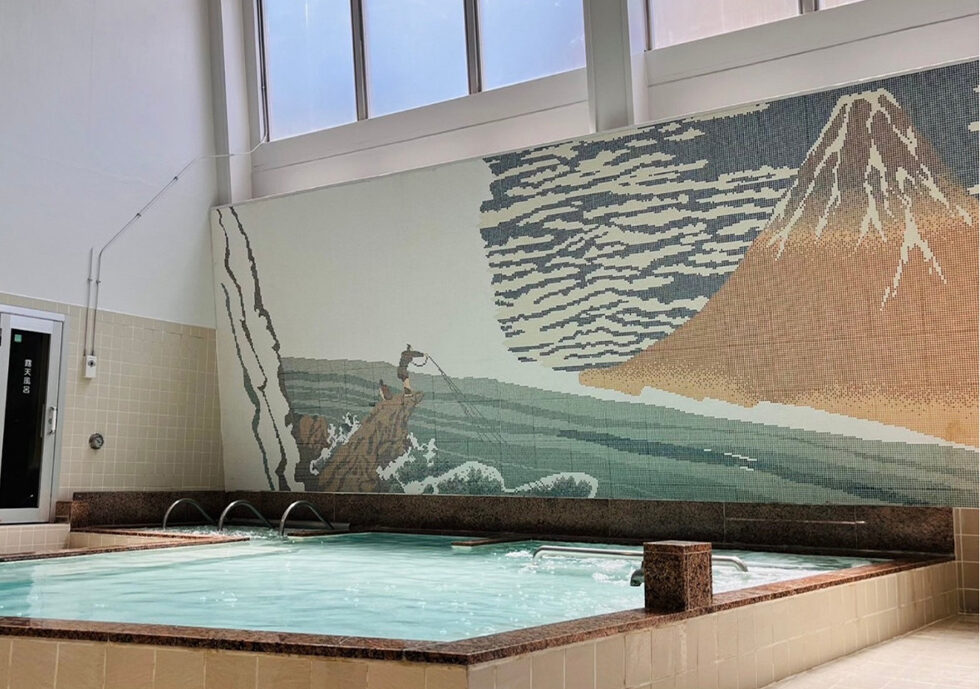
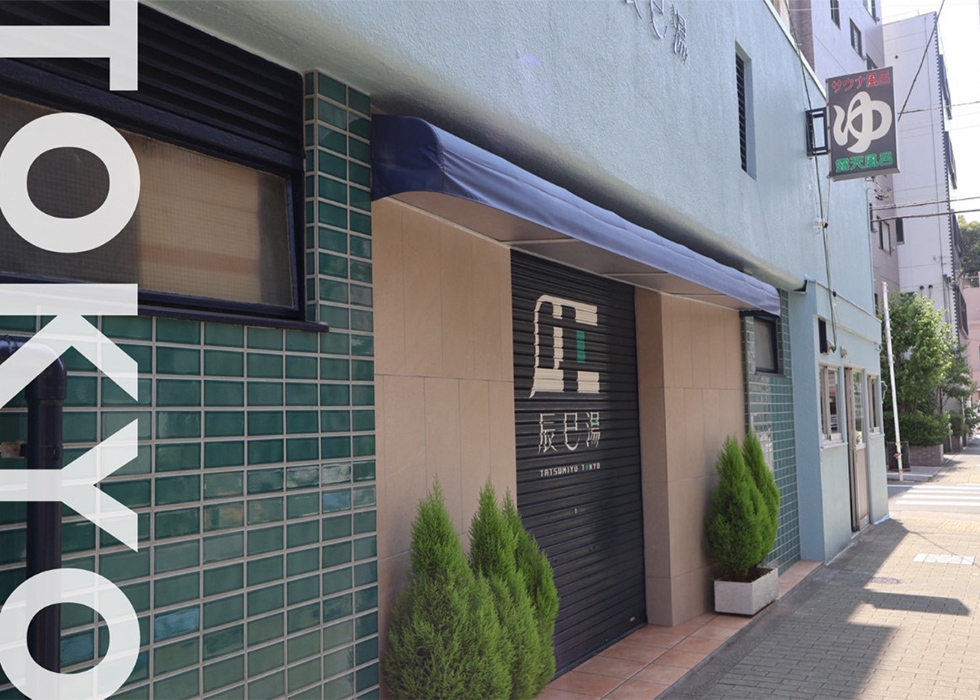
If you’re looking to soothe your tired body after a day exploring the downtown area, Tatsumiyu is the perfect spot. This sento public bath is located a three-minute walk from the subway’s Kiyosumi-shirakawa Station. The first thing you’ll see when you enter the bath is a tile painting covering the entire wall. You can relax in the spacious bathtub while admiring the painting of Mount Fuji and the big bridge, inspired by Hokusai Katsushika’s “Thirty-six Views of Mount Fuji” series. In addition to an electric bath and jet bath, the bath also has a sauna and an open-air space, and the rest area is stocked with manga books. The interior is decorated with stone sculptures and seasonal décor, making the space itself an enjoyable experience, which is one of Tatsumiyu’s charms.
Address: 1-2-3 Miyoshi, Koto-ku, Tokyo
https://tatsumiyu.com/